Pot Watercolor Clipart: A Designer’s Real-World Review
First Impressions: Soft, Artistic, and Versatile
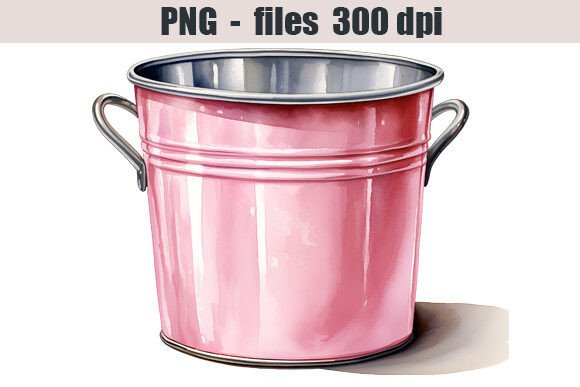
The moment I opened the Pot Watercolor Clipart, I was struck by its gentle, painterly feel. It’s clearly crafted with a hand-drawn aesthetic, giving it a warm, approachable vibe. The design features a simple pot, rendered in soft watercolor strokes, with subtle texture and light shading. It doesn’t scream for attention — instead, it invites the viewer in with its quiet charm. This makes it ideal for projects that lean into minimalism, botanical themes, or soft home decor.
From a design standpoint, it reads well at a glance but also rewards closer inspection. The brushstroke quality adds depth without overwhelming the eye, which is important when translating digital illustrations into machine embroidery designs. It’s the kind of artwork that feels both timeless and modern — a balance that’s hard to achieve.
Real-World Use: From Tote Bags to Baby Clothes
I decided to test the Pot Watercolor Clipart on a few different items I commonly embroider for clients and my own Etsy shop. First up: a natural cotton tote bag. The design stitched cleanly with a light thread palette, and the soft outlines held up well without getting lost in the fabric texture. It gave the tote a boutique-style finish that felt handmade but professional.
Next, I tried it on a baby onesie. The design scaled nicely without losing clarity, and the watercolor effect translated surprisingly well in thread. I used a light stabilizer and a soft-touch tear-away to avoid any stiffness near the seams. The result was a gentle, artistic touch that felt appropriate for baby items — not too busy, not too bold.
It also worked well on a linen pillow cover. The matte finish of the fabric complemented the design’s muted tones, and the overall effect was cozy and curated. For small shop owners or crafters selling home decor, this could be a subtle but effective design to include in a seasonal collection.
Where It Shines — And Where You Should Tread Carefully
One of the biggest strengths of this Pot Watercolor Clipart is its adaptability. It works well on both light and medium-weight fabrics, and it doesn’t require complex stitch types like heavy satin stitching or dense fill work. That makes it a solid choice for beginners and pros alike who want a design that stitches cleanly without requiring constant thread changes or tension adjustments.
- Great for tote bags, tea towels, aprons, and nursery decor
- Works well on cotton, linen, and light fleece
- Easily scales for different hoop sizes without losing quality
However, there are a few situations where you’ll want to test before committing:
- Dark fabrics — the lighter strokes may get lost unless you add a backing or use contrasting thread
- Stretchy materials — consider using a lightweight cutaway stabilizer
- Small hoop sizes — some of the finer brushstroke details may not render clearly below 3”
- Curved surfaces like caps — test stitch placement and adjust for distortion
If you’re planning to use it on items that will be washed frequently — like baby clothes or kitchen towels — make sure to reinforce the back with a wash-away stabilizer so the design doesn’t pucker or pull after laundering.
How It Affects Your Finished Product
When used thoughtfully, the Pot Watercolor Clipart elevates the perceived value of your finished product. It gives handmade items a more curated, intentional look — the kind of detail that suggests the creator put care into the design, not just the craftsmanship.
For Etsy sellers or small business owners, that kind of visual appeal can translate directly into customer trust and repeat buyers. It’s not flashy, but it’s distinctive enough to stand out in a sea of generic embroidery files. Whether you’re making personalized gifts or boutique-style apparel, this design adds a touch of personality without overpowering the item itself.
It also works well as part of a larger design set. I can easily see it paired with other botanical or kitchen-themed clipart for a cohesive line of embroidered kitchen towels or aprons. For digital product sellers, including this in a themed bundle could boost both downloads and perceived value.
Practical Notes for Embroidery Designers
Here are a few things I picked up while working with the Pot Watercolor Clipart:
- Test on scrap fabric first — especially if you’re using a new stabilizer or thread combo.
- Check thread color contrast — the light strokes may need a darker thread on lighter backgrounds to stay visible.
- Review stitch density — if the design feels too sparse, consider adding a light fill around the edges for more definition.
- Confirm hoop size — it may need resizing depending on your machine’s capabilities.
- Inspect small details — the brushstroke edges might need slight cleanup if they’re not stitching cleanly on your machine.
- Try black and white mockups — this design has enough contrast to work well in monochrome.
- Compare light and dark fabric backgrounds — it behaves differently depending on what you’re using.
- Use the right stabilizer — tear-away works fine for most uses, but cut-away gives cleaner results on stretchy fabrics.
- Confirm licensing — if you’re planning to sell finished items or digital embroidery files, always check the license terms.
Final Thoughts: A Quietly Powerful Design Asset
Overall, the Pot Watercolor Clipart is one of those designs that doesn’t demand attention but earns it through thoughtful use. It’s not a showstopper in the traditional sense, but it’s the kind of design that quietly elevates your work and makes your finished products feel more intentional.
If you’re an embroidery designer, Etsy seller, or small shop owner looking for a soft, artistic touch that still holds up under real-world stitching conditions, this is worth adding to your design assets. It’s versatile, approachable, and — most importantly — stitchable.