Horse with Sombrero Watercolor: A Designer’s Honest Review
First Impressions: Whimsical, Playful, and Perfectly Balanced
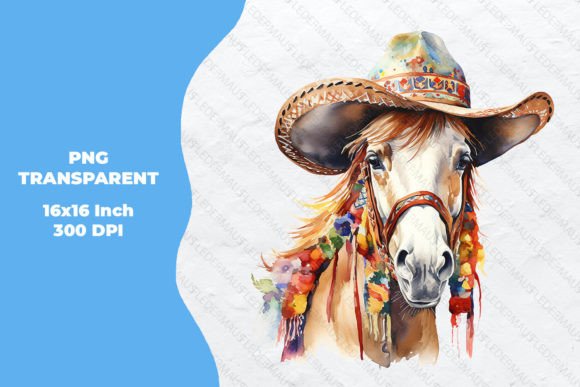
The first time I saw Horse with Sombrero Watercolor, I paused. It’s not your typical embroidery design. The watercolor-style shading gives it a soft, artistic feel, while the sombrero adds a cheeky, fun twist. It’s a great example of how a machine embroidery design can feel both handcrafted and modern. The horse is stylized, not too detailed, which makes it versatile for different fabric types and project styles. It immediately made me think of custom tote bags and kids’ sweatshirts—projects where charm and personality are key.
Real-World Use: From Tote Bags to Baby Onesies
I decided to test Horse with Sombrero Watercolor on a few different items. First up: a cotton tote bag. The design stitched out cleanly, with no thread breaks or skipped stitches. The watercolor effect translated well into fill stitches, and the color transitions gave the embroidery a painterly quality. I was especially impressed with how the sombrero held up—it’s a small detail but reads clearly at a glance.
Next, I tried it on a baby onesie. The softness of the design paired beautifully with the delicate fabric. No puckering, even after washing. The key here was using a lightweight stabilizer and avoiding overly dense stitch settings. It worked just as well on a dark fabric sweatshirt as it did on a light kitchen towel—though I recommend checking thread color contrast carefully, especially for the watercolor background.
Where It Shines: Gift Items, Apparel, and Etsy Listings
Horse with Sombrero Watercolor is a natural fit for personalized gifts. I can see it on a custom embroidered pillow cover for a nursery or a boutique-style tea towel set. It also has great potential for small shop products, especially if you’re targeting playful, artistic themes. Etsy sellers will find it appealing for listings that blend handmade charm with digital design flexibility.
For apparel decorators, this design works well on toddler clothes, casual tees, and even baseball caps—though I’d suggest a test stitch on curved surfaces first. The shape of the design allows for easy placement on both flat and slightly contoured items, making it more adaptable than many other illustration-style embroidery files.
Watch These Areas: Small Details and Fabric Choices
While the overall design is well-constructed, there are a few areas to watch. The brim of the sombrero and the horse’s eye are quite small. On a 4x4 hoop, those details might get lost or stitch inconsistently, especially on textured or stretchy fabrics. I’d avoid using this on very thin or flimsy materials without proper backing.
Dark fabrics also require careful thread selection. The watercolor shading can fade into black or navy backgrounds if you don’t test it first. I recommend stitching a sample on both light and dark mockups to ensure clarity and contrast. Also, if you’re planning to use this in commercial embroidery or sell finished items, double-check the licensing terms for the design file—especially if you’re reselling digital embroidery files or printable mockups.
Visual Impact and Customer Appeal
One of the strongest points of Horse with Sombrero Watercolor is its visual storytelling. It’s not just an embroidered image—it’s a mood. That makes it especially valuable for small business owners looking to add personality to their products. Whether it’s on a boutique tote or a custom embroidered patch, this design adds character and a sense of whimsy that resonates with buyers.
From a branding perspective, it’s a design that can work across multiple product lines. If you’re building a cohesive handmade product collection, this design fits well with others that have a similar artistic tone. It’s also gift-friendly, which increases its marketability around holidays or special occasions like baby showers or birthdays.
Designer Notes: Practical Tips Before You Stitch
Before jumping into a full project with Horse with Sombrero Watercolor, here are a few things I learned from testing:
- Test on scrap fabric first, especially if you’re using stretchy or textured materials.
- Check stitch density—this design has a lot of fill work, so be sure it won’t weigh down delicate garments.
- Verify hoop size compatibility. If you’re working with a small hoop, parts of the design may need editing or resizing.
- Use the right stabilizer. A medium-weight tear-away works best for most cottons, but switch to a cut-away for stretchy fabrics.
- Review thread color contrast, especially for the watercolor background. A subtle gradient can disappear if thread shades are too similar.
- Test in black and white to see how the design holds up without color cues.
- Confirm licensing if you plan to use it in commercial embroidery or sell finished items.
Final Thoughts: A Worthy Addition to Your Design Library
Horse with Sombrero Watercolor isn’t just another embroidery file—it’s a design that tells a story. As a professional embroidery designer, I appreciate how it balances detail with usability. It’s charming enough for handmade gifts, yet polished enough for small business merchandise. Whether you’re an Etsy seller, craft fair regular, or custom apparel decorator, this design has enough flexibility to fit a variety of creative projects.
Just remember: always test before committing to a finished product. A little preparation goes a long way in ensuring that what looks great on screen stitches out just as beautifully in real life.