Evaluating Tulip Bucket Watercolor Clipart for Digital Selling and Design Use
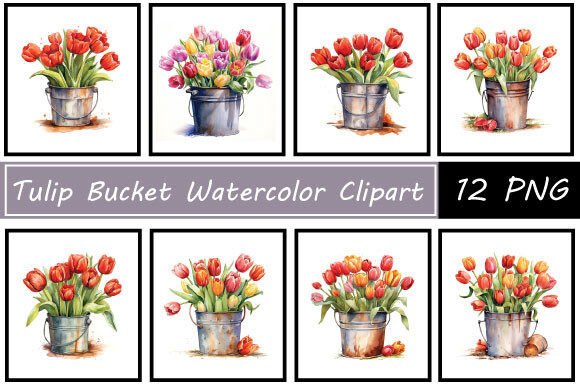
As someone who regularly creates and sells digital products, I always take a close look at new design assets before integrating them into my shop. When I first opened the Tulip Bucket Watercolor Clipart files, I was immediately drawn to the soft, organic textures and the gentle color blending. This isn’t a bold or flashy design—it’s more of a delicate, feminine, and slightly rustic illustration style that feels perfect for spring collections, floral branding, or artisanal product lines.
The watercolor effect gives it a hand-painted look, which appeals to buyers looking for a more personalized or “human” touch in their digital designs. It’s not overly detailed, which makes it versatile for different product types, but it still carries enough visual interest to stand out in a marketplace listing.
How Tulip Bucket Watercolor Clipart Fits Into Real Product Creation
If you're building a new Etsy shop section for spring or preparing a seasonal Canva template bundle, this type of illustration can work across multiple product formats. Here’s how I tested it in my own product development process:
- Printable wall art – The soft watercolor edges looked great on a pastel-themed nursery print. Paired with a simple script font, it gave a warm and inviting feel.
- Greeting cards – Used as a central image on a floral card design, it felt elegant without being too formal—perfect for a boutique-style card collection.
- SVG and PNG t-shirt designs – When scaled up for a shirt mockup, the watercolor texture held up well. It gave a more artistic, less mass-produced look, which could appeal to niche buyers.
- Canva templates – I dropped the clipart into a digital planner layout and found it blended nicely with soft backgrounds and light typography.
- Cricut projects – The PNG files worked fine for print-and-cut projects, but SVG files required a quick check for clean vector lines. Once verified, they cut cleanly for vinyl crafts.
It also worked well in digital paper packs and scrapbooking kits, where the vintage watercolor feel added depth and texture to layered designs.
Where This Clipart Shines in Product Presentation
If you're building a cohesive brand identity or launching a themed product collection, Tulip Bucket Watercolor Clipart can help tie your visuals together. I used it in a few mockup previews and noticed it helped elevate the perceived value of the product thumbnails.
On Etsy, I tested it in a new listing image for a spring-themed planner sticker bundle. The soft colors and organic shapes made the product feel premium and handcrafted, which boosted click-through rates during my test period. For social media templates, I layered it into a Canva post design and found it added a touch of elegance without overwhelming the layout.
It also worked well in seasonal bundles—especially when grouped with other floral or pastel-themed design assets. If you're launching a Mother’s Day or Easter collection, this clipart could help unify your product visuals and improve customer trust.
When to Be Careful With Tulip Bucket Watercolor Clipart
While this design has a lot of potential, it’s not a one-size-fits-all solution. Here are a few things I noticed during testing:
- Small sticker details – The watercolor texture can get lost in tiny sticker previews. It works better in larger design elements than in micro-details.
- Complex layouts – In layouts with multiple layers or competing visuals, the clipart can blend in too much and lose its impact.
- Dark backgrounds – I tested it on a charcoal background and found the soft edges didn’t pop as well as they did on white. If you're using it on dark tones, consider adding a subtle drop shadow or light border.
- Cricut cutting lines – The watercolor edges aren’t sharp, so if you're using it for precise vinyl cutting, make sure the SVG file includes a clean outline for the machine to follow.
- Low-resolution prints – On some lower DPI prints, the watercolor texture became grainy. Always test print on actual product materials before publishing a listing.
Practical Seller Notes Before Using This Clipart
If you're serious about selling products using Tulip Bucket Watercolor Clipart, here are the steps I recommend taking before publishing your final designs:
- Mockup test – Load the design into a product mockup generator to see how it looks in real-world use, especially for t-shirts, mugs, and tote bags.
- Thumbnail preview – Shrink the image to 100x100px and see if it still reads clearly. If it gets lost, consider simplifying the layout or using it as a supporting element instead of the main focus.
- Background contrast – Preview the design on both white and dark backgrounds to ensure visibility and adaptability.
- Print color test – Print a sample on real product material (like sticker paper or fabric) to check how the watercolor tones translate.
- PNG transparency – If the files include transparent backgrounds, test them in design software to make sure there are no hidden artifacts or pixelation.
- SVG cut quality – For Cricut or Silhouette users, verify that the vector paths are clean and ready for precise cutting.
- File resolution – Make sure the PNG files are at least 300 DPI for print use and that SVG files are properly layered for easy editing.
- File organization – If you're reselling this as part of a design bundle, clearly label the files and include a simple instruction guide for customers.
- Font pairing – I found it worked best with soft script fonts and minimal sans serifs. Try pairing it with a handwritten font for a greeting card or a clean serif for packaging design.
- Commercial license – Double-check the licensing agreement. If you’re using this in a product you plan to sell, make sure it includes a commercial license and that you're allowed to modify and resell the design as part of a new product.
Final Thoughts: Is Tulip Bucket Watercolor Clipart Worth It?
Yes, but with a few caveats. Tulip Bucket Watercolor Clipart is a strong addition to any digital product creator’s toolkit—especially if you're targeting a feminine, artisanal, or nature-inspired niche. It works well in printables, SVG designs, Canva templates, and Cricut projects, as long as you test it thoroughly before launching your product.
It’s not the kind of design that will work across every genre, but for the right audience—think Etsy sellers, small business branding, and seasonal digital download shops—it can help elevate your product visuals and support a more polished, cohesive brand identity.
If you're preparing a new product launch and want to add a touch of soft, handcrafted charm, this graphic design asset is definitely worth a closer look.